Community & Culture
Culture is not a program component — it is the foundation of everything Nyunnga Ku does. Community voice, cultural healing, and connection to Country are built into every aspect of the Hub model.
Culture is not a program. It is the foundation.
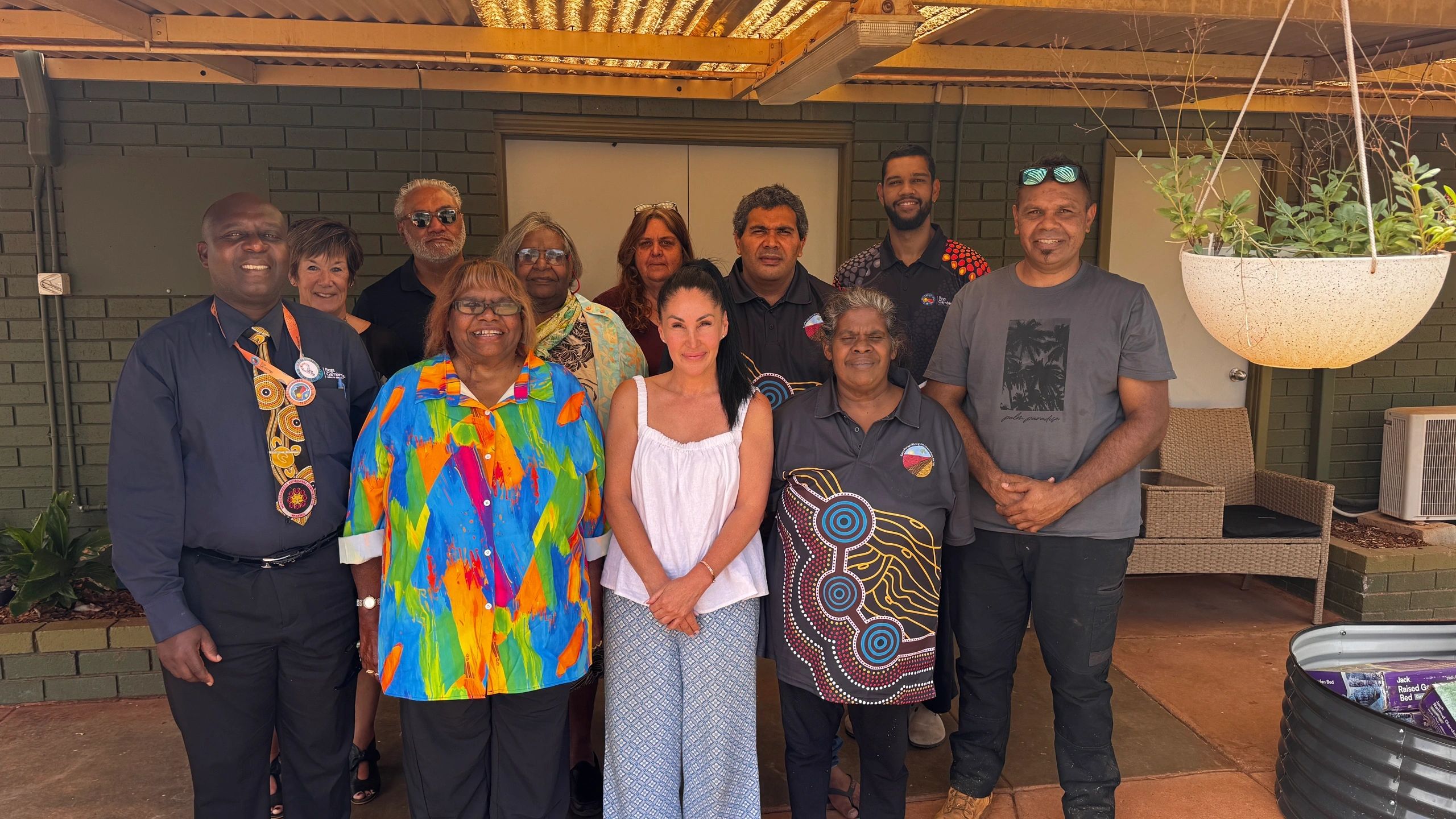
Nyunnga Ku Aboriginal Corporation is an Indigenous-led organisation. This is not a descriptor — it is the defining characteristic of how the organisation operates. Every decision, every program, every partnership is shaped by the cultural values, knowledge systems, and priorities of the communities it serves.
The Northern Goldfields is home to multiple Aboriginal language groups and communities, each with distinct cultural traditions, relationships to Country, and community structures. Nyunnga Ku works with this diversity — there is no single community to serve, and no one-size-fits-all program that will work across the region.
Cultural safety is built into every aspect of Hub operations — from the design of the physical facility to the structure of program delivery to the governance arrangements that give community members real decision-making power. This is not window dressing. It is the operational reality of how Nyunnga Ku works.
The organisation is grounded in the understanding that sustainable community development must be community-led. External organisations — however well-resourced or well-intentioned — cannot design solutions for communities they do not belong to. Nyunnga Ku exists to ensure that the communities of the Northern Goldfields have the capacity and the resources to lead their own development.
Back to Country Camps
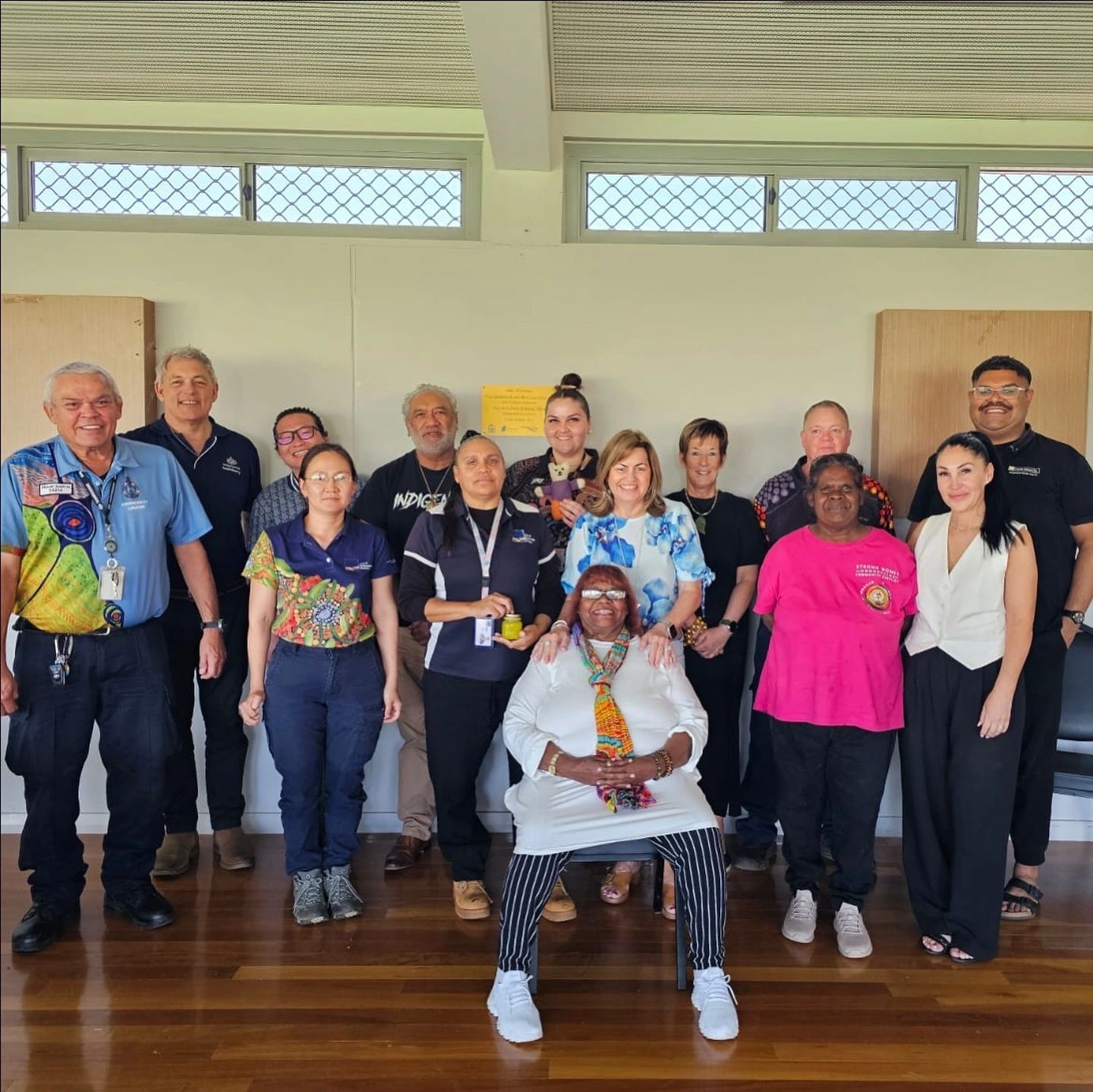
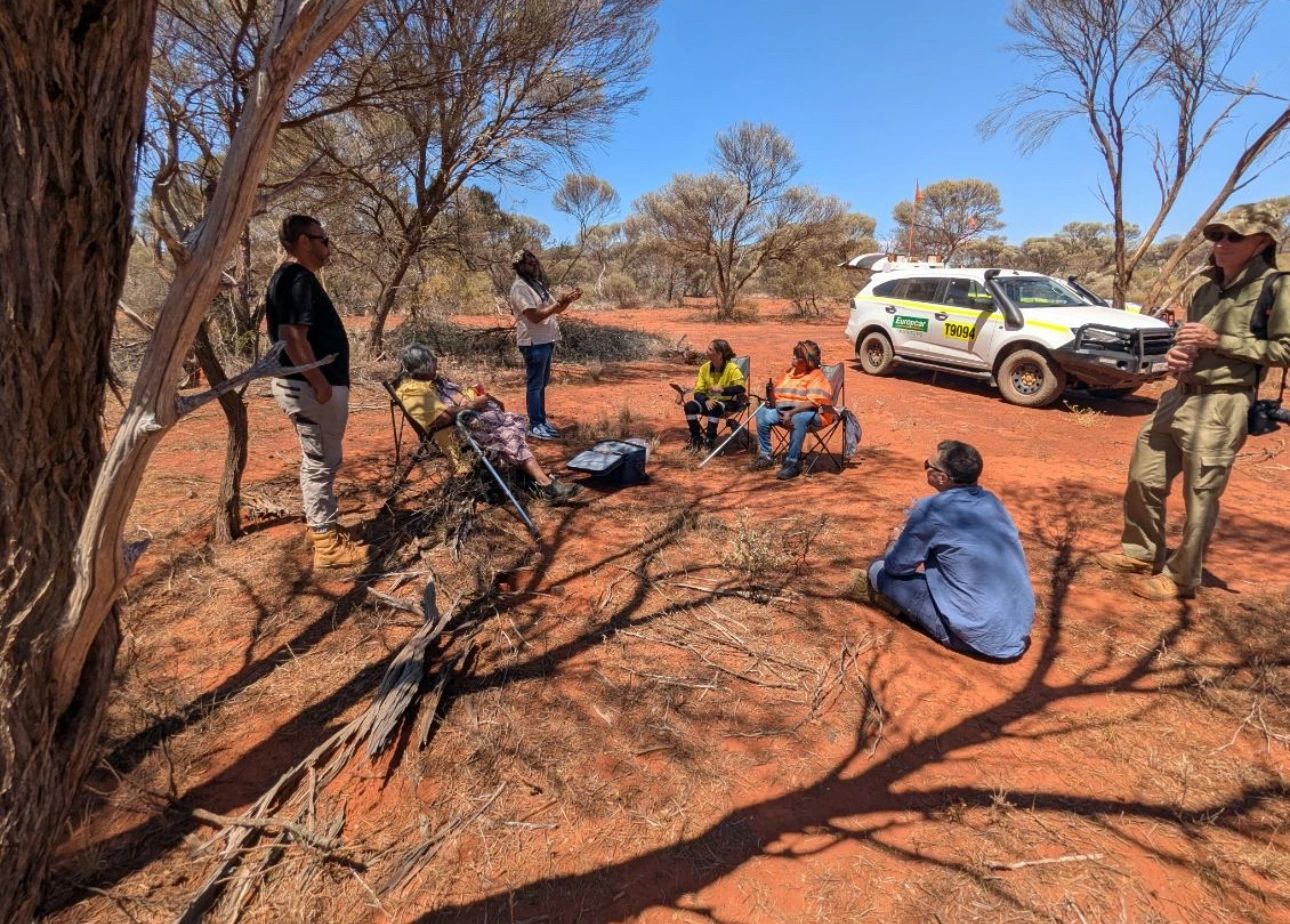
The Annual Back to Country Camps are the cornerstone of Nyunnga Ku engagement. These camps bring together community members — Elders, adults, and young people — on Country to consult on program priorities, share knowledge, and reconnect with culture and place. They are not a consultation exercise. They are the primary mechanism through which community voice shapes Hub programs.
On-Country Consultation
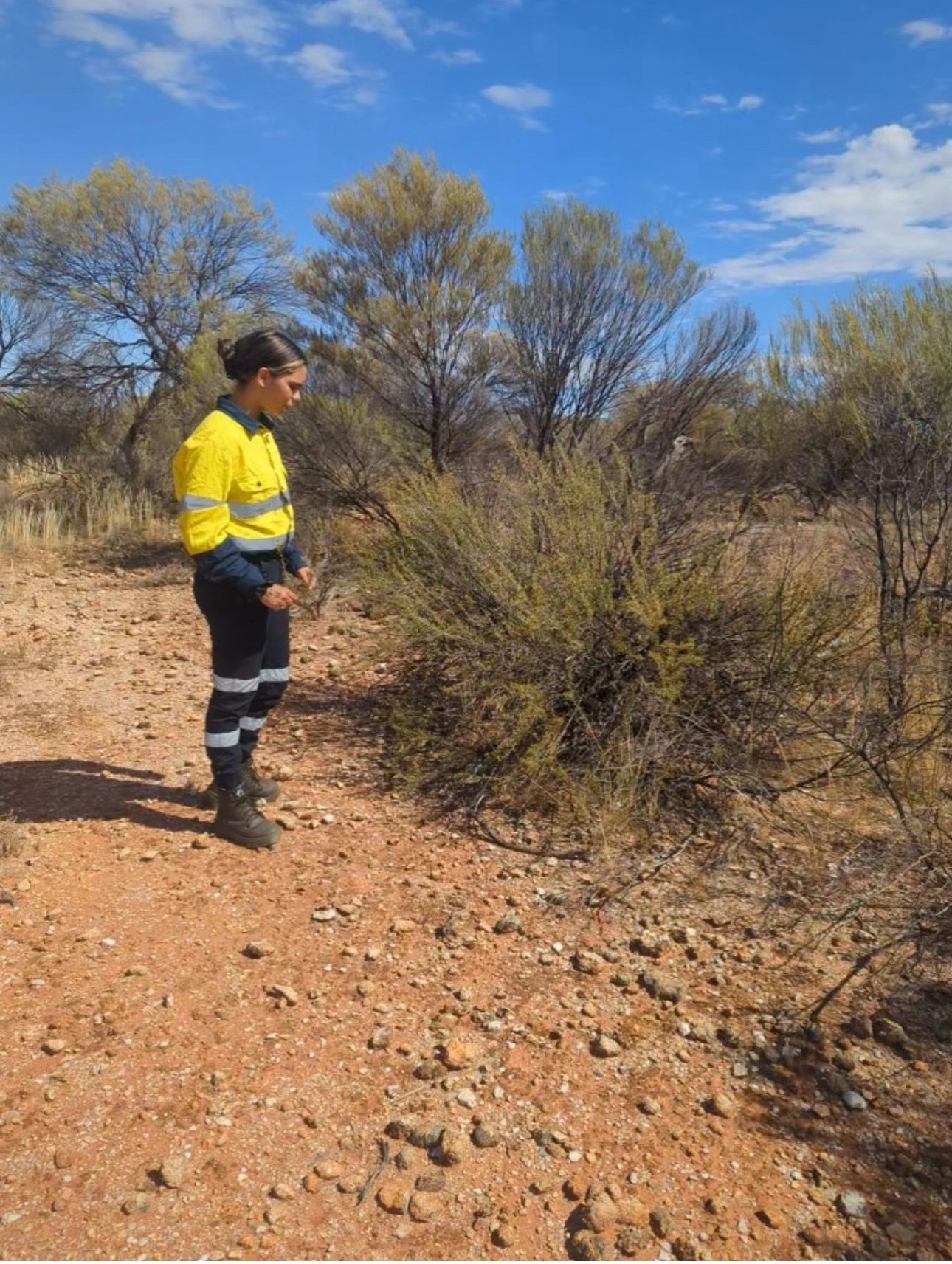
The camps take place on Country — in the landscape that community members call home. This is not incidental. Being on Country is central to the healing process, to cultural learning, and to the quality of consultation. Decisions made on Country carry different weight than decisions made in offices.
Community-Led Agenda
The agenda for each camp is set by community members, not by Nyunnga Ku staff or partner organisations. Elders and community leaders determine what is discussed, what is prioritised, and how conversations are structured. External partners attend as guests and listeners.
Intergenerational Participation
The camps bring together Elders, adults, and young people. This intergenerational mix is deliberate — knowledge is passed between generations, young people learn from Elders, and Elders see their knowledge valued and applied. This is the foundation of cultural continuity.
Program Co-design
Outcomes from the camps directly shape Hub program design. Priorities identified by community members become program priorities. This is not consultation theatre — it is the mechanism through which community voice becomes program action.
In their own words
This is our Country. We know what our communities need. We just need the resources and the space to do it ourselves.
When we sit down on Country together, the answers come. The land holds the knowledge. We just have to listen.
Our young people need to see that their culture has value — not just to us, but to the world. The Hub gives them that.
Culture in practice
Cultural programs are not separate from the Hub service programs — they are integrated into them. The following initiatives reflect how Nyunnga Ku embeds cultural practice into its day-to-day work.
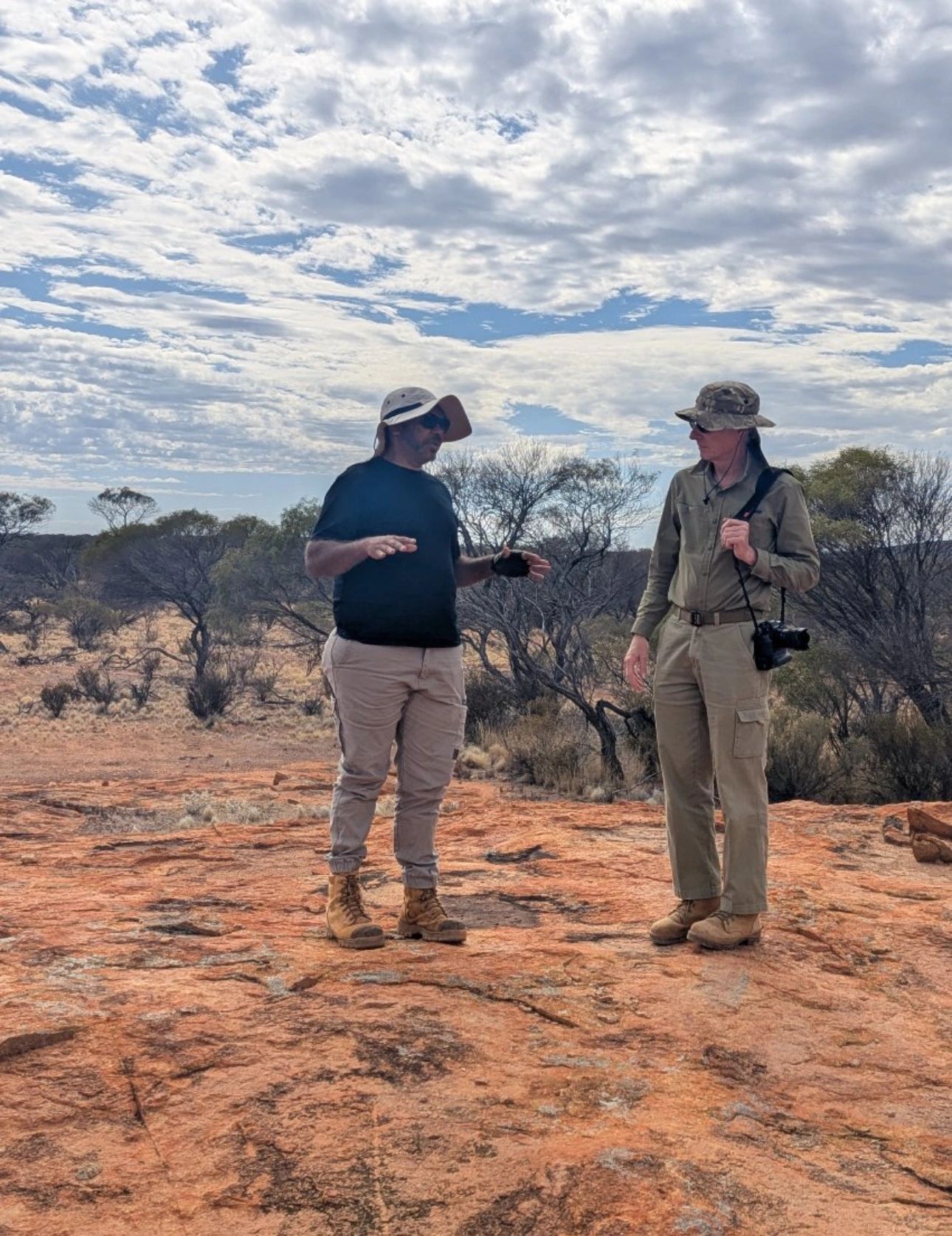
Cultural Healing Programs
Structured healing programs that draw on cultural practice, connection to Country, and community support. These programs address the ongoing impacts of intergenerational trauma through a culturally grounded framework — not a clinical one.
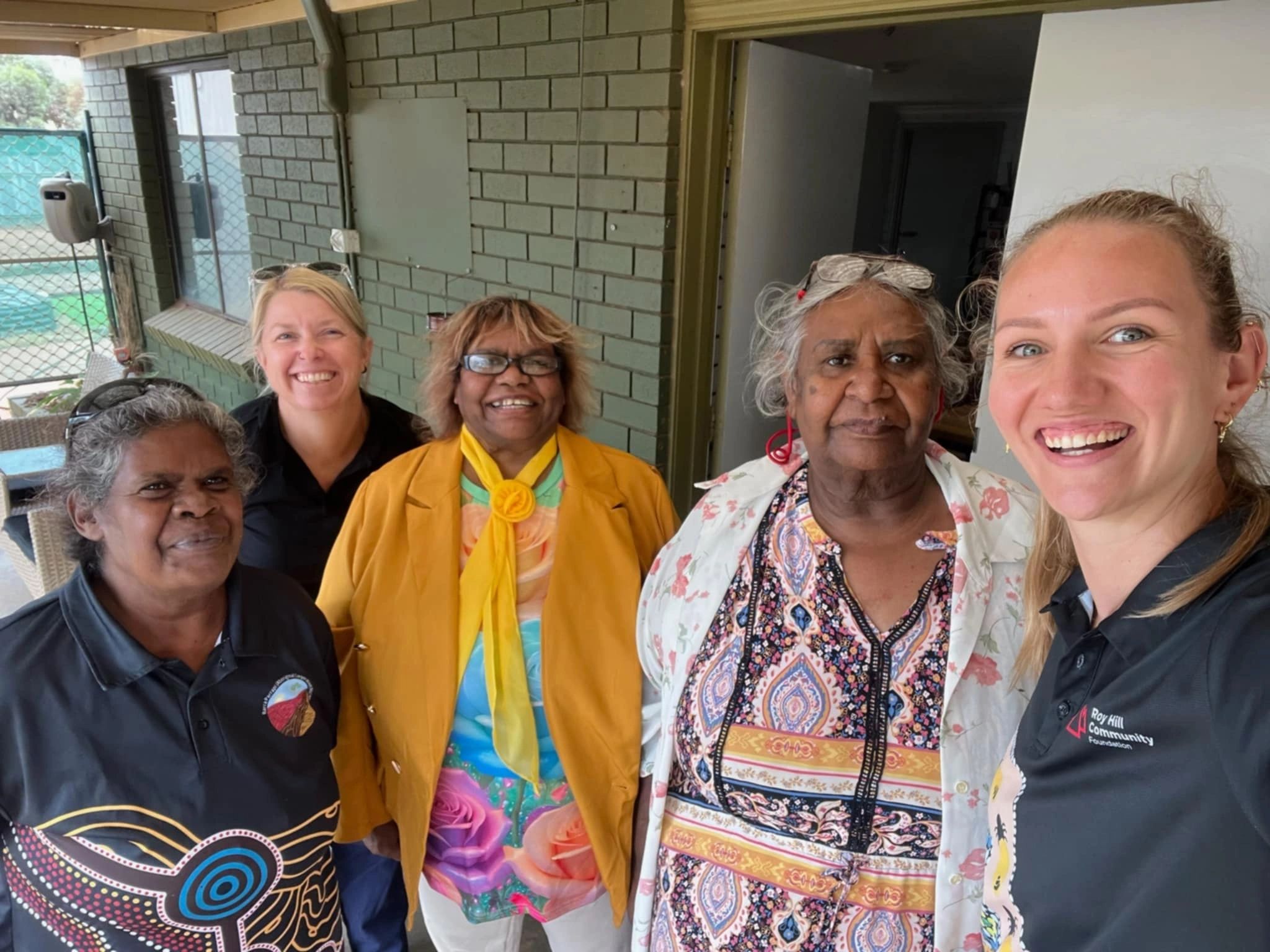
Elder Mentorship & Knowledge Sharing
Elders are central to all Nyunnga Ku programs — not as symbolic figures but as active mentors, teachers, and decision-makers. Knowledge sharing programs create structured opportunities for Elders to pass on language, cultural practice, and ecological knowledge.
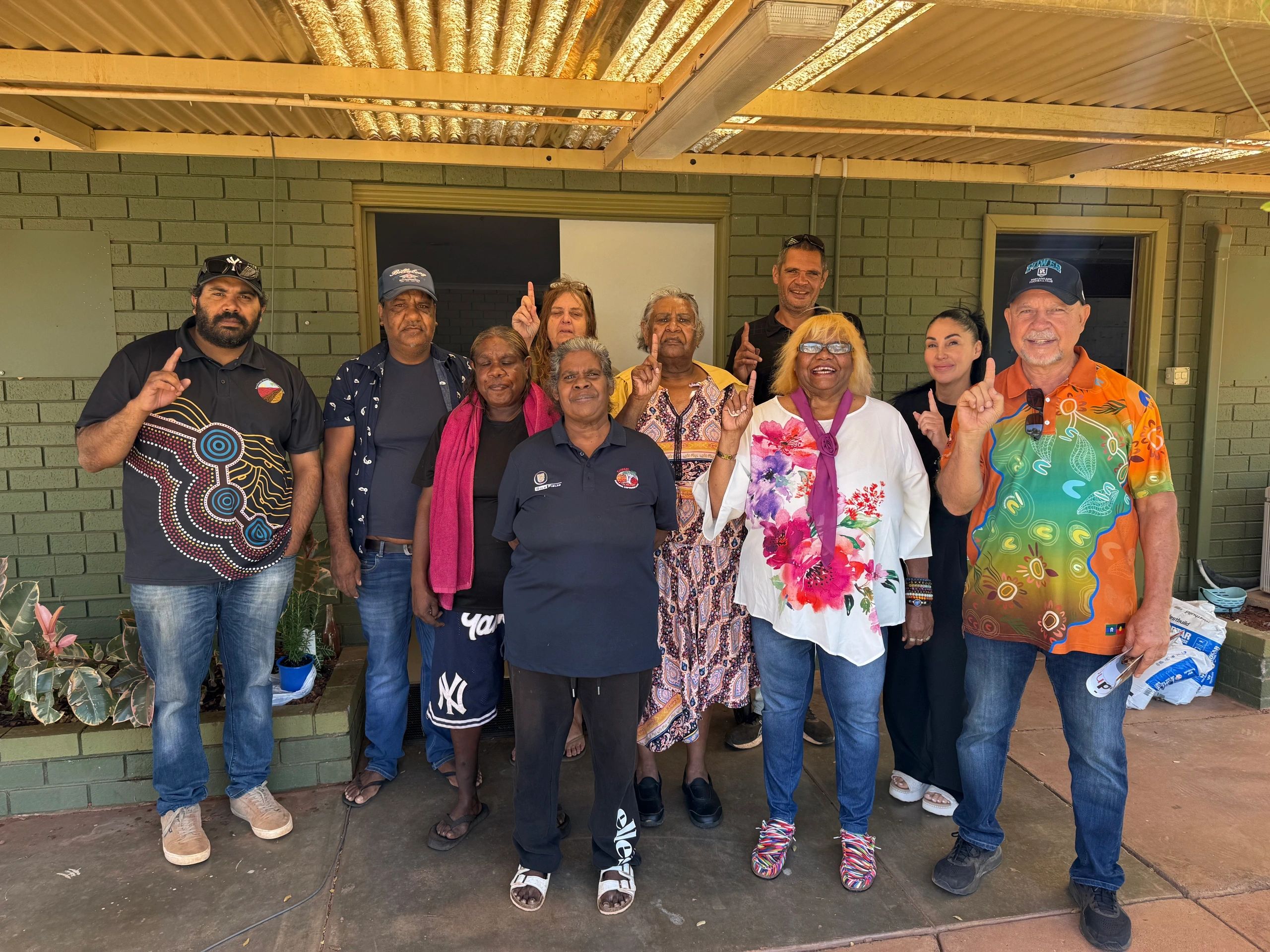
Language & Cultural Continuity
Language is inseparable from culture and Country. Nyunnga Ku supports language preservation and revitalisation as part of its broader cultural program — recognising that language loss is a form of cultural loss that affects community wellbeing.
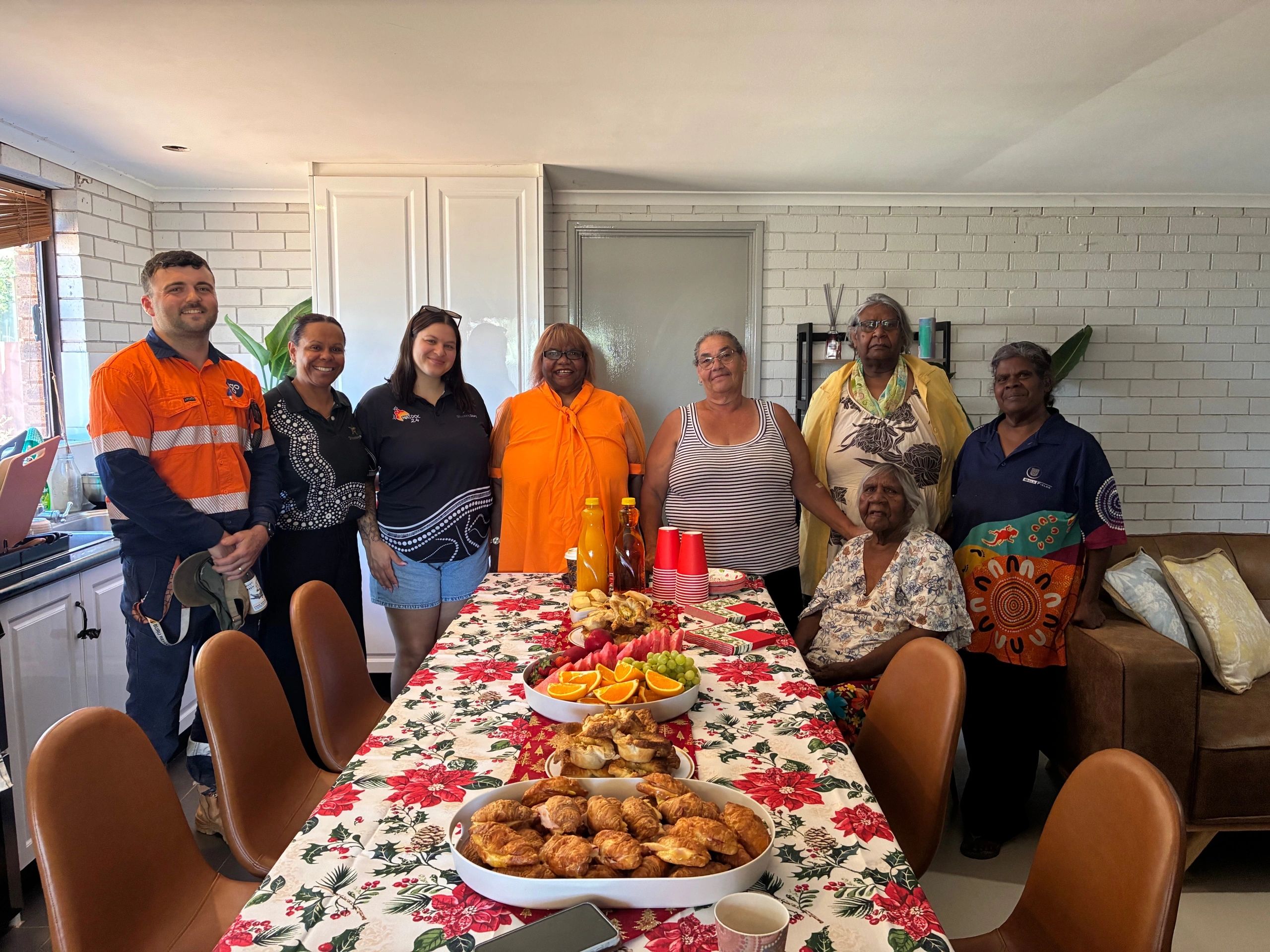
Community Gatherings & Celebrations
Regular community gatherings — including seasonal celebrations and cultural events — strengthen social bonds, maintain cultural practices, and create spaces for joy and connection. These events are not peripheral to the Hub work — they are central to it.
Serving the Northern Goldfields
Nyunnga Ku is based in Leonora — approximately 230km north of Kalgoorlie in Western Australia Northern Goldfields. The organisation serves communities across this region, including remote and very remote communities that have historically had limited access to coordinated services.
The Hub model is designed to be place-based — meaning programs are delivered in communities, not in centralised locations that require community members to travel. This is a deliberate design choice that reflects the geographic reality of the Northern Goldfields.
The region is home to multiple Aboriginal language groups and communities with distinct cultural traditions and needs. Nyunnga Ku works with each community on its own terms rather than applying a uniform model across the region.
Learn about the organisation
Find out who Nyunnga Ku is, who leads it, and how it came to be.